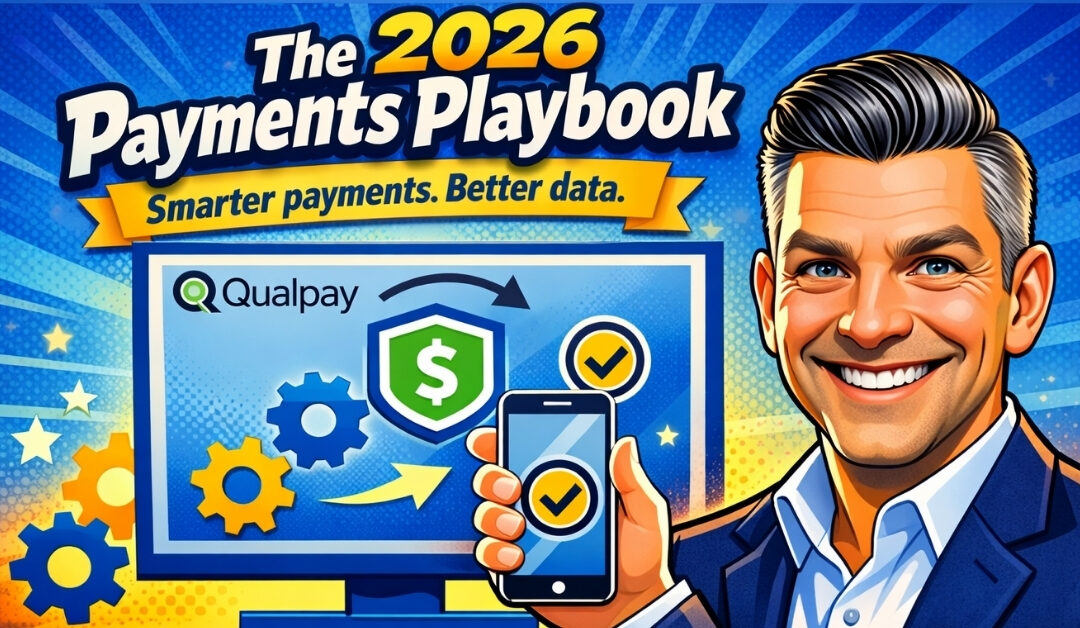
The 2026 Payments Playbook: Improving Efficiency Without New Systems
When I review payment setups for propane and energy marketers, I often see the same pattern.
Strong operations. Dedicated teams. Loyal customers.
But behind the scenes, payments are still being handled in ways that quietly drain time, visibility, and margin.
Manual collections. Expired cards. Disconnected systems. Limited reporting.
Over time, it adds up.
As we move into 2026, the companies that perform best won’t necessarily be the ones investing in new platforms. They’ll be the ones who learn how to use payment technology—and payment data—more effectively.
Here are a few of the biggest opportunities I’m seeing.
Automating Billing with Secure, Tokenized Card Storage
One of the simplest ways to improve efficiency is reducing how often your team has to chase payments.
Modern card-on-file programs allow you to securely save customer payment information using tokenization. Sensitive card data is encrypted and replaced with secure tokens, so it never lives on your internal systems.
This makes it possible to automate billing for deliveries, service work, and budget plans—without increasing security risk.
- No more waiting for cards.
- No more follow-ups.
- No more delayed deposits.
Preventing Failed Payments Before They Happen
Many declined payments occur for one predictable reason: expired or replaced cards.
Account Updater tools automatically refresh stored, tokenized payment data when banks issue new cards. Combined with proactive expiration reporting, this allows teams to resolve issues before revenue is impacted.
Instead of reacting to declines, you prevent them.
Giving Customers Better Ways to Pay
Customers increasingly expect convenience and flexibility.
Integrated portals and secure payment pages allow customers to pay online, manage balances, and store payment methods without contacting your office.
For your staff, that means fewer interruptions.
For customers, it means a better experience.
Protecting Cash Flow with Pre-Authorizations
In many service and delivery scenarios, final pricing isn’t known upfront.
Pre-authorizations verify funds before work begins and allow you to capture the final amount later. This reduces unpaid invoices and improves payment reliability without complicating operations.
⭐ Turning Payment Data Into a Management Tool
Every company receives a monthly statement from their payment provider.
Few, however, have access to reporting granular enough to break down costs at the individual customer level or to evaluate how specific channels or locations are performing.
With modern reporting tools, payment data can reveal:
- Which locations carry higher costs
- Which customers generate higher fees
- How payment methods affect margins
- What each delivery really costs
When paired with operational data, this becomes a powerful management resource.
Instead of simply processing payments, companies gain the ability to analyze, optimize, and make more informed decisions.
Why This Matters Going Into 2026
Margins are tighter. Staffing is leaner. Expectations are higher.
In that environment, visibility becomes just as important as efficiency.
The companies that succeed will be the ones that:
- Automate intelligently
- Reduce friction
- Improve reliability
- Leverage data
- Make proactive decisions
Final Thoughts
Payment technology is no longer just about transactions.
It is about control, predictability, and insight.
If your current reporting still feels limited to monthly statements, there are almost always opportunities to unlock more value from your payments environment.
Often without changing your core systems.
It starts with better data.
Jon Gilbert is Director of Business Development at Qualpay, the NPGA’s preferred payments partner for the propane industry. He works with energy marketers nationwide to optimize payment systems and improve financial performance.